prijava
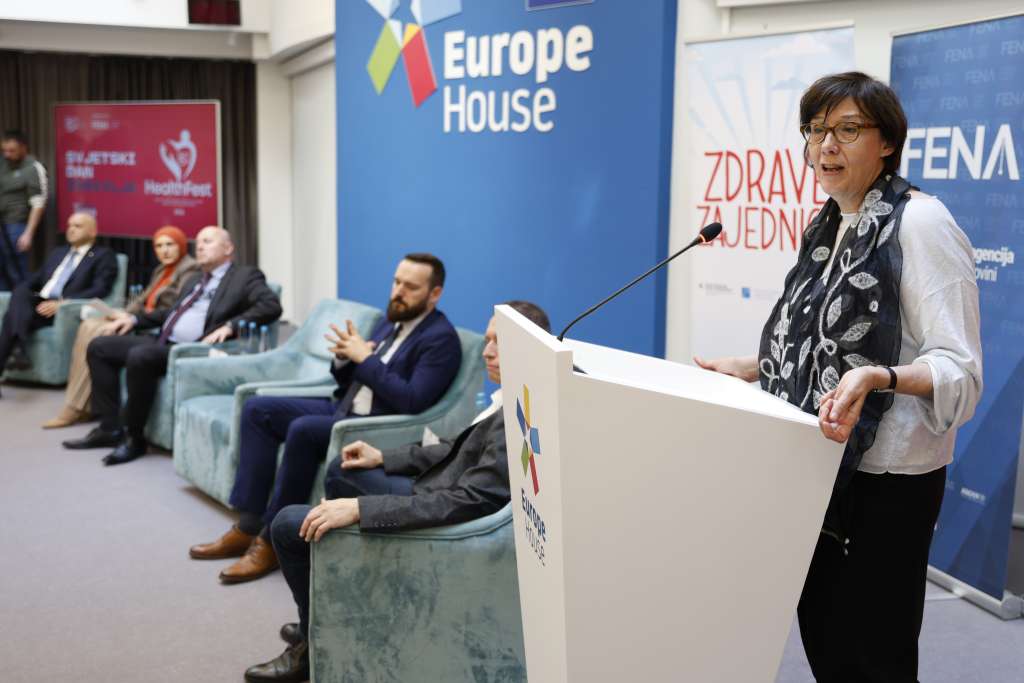
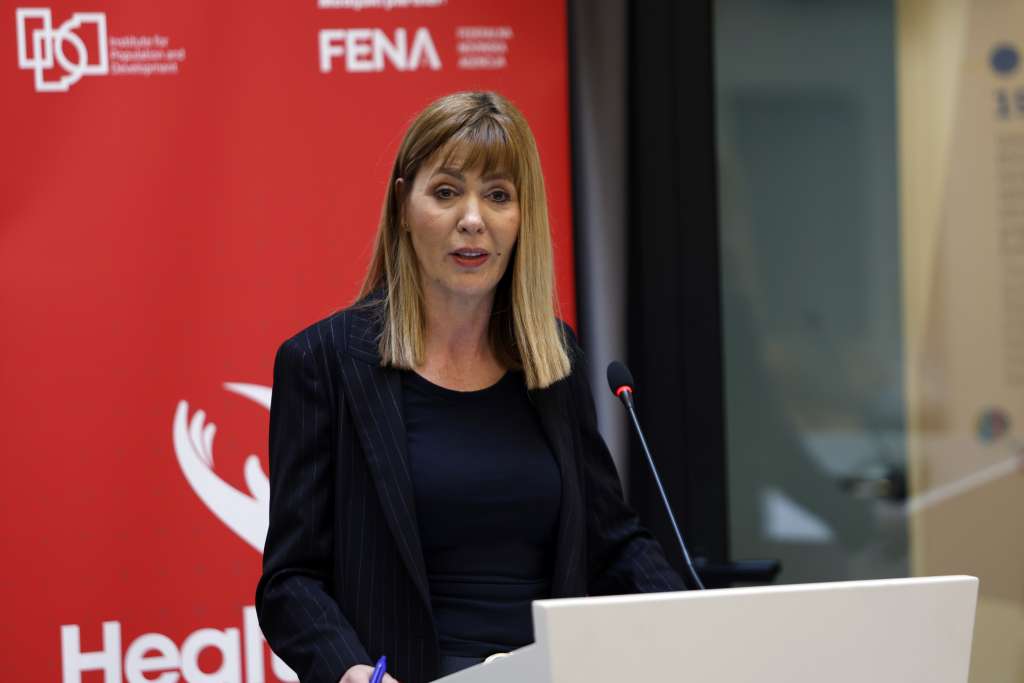
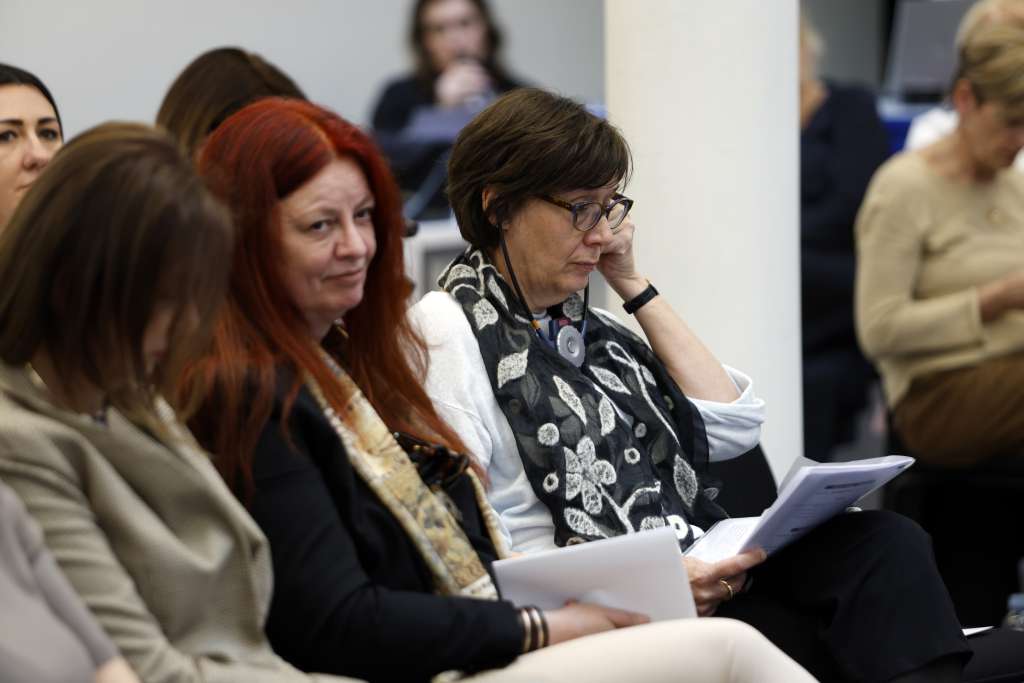
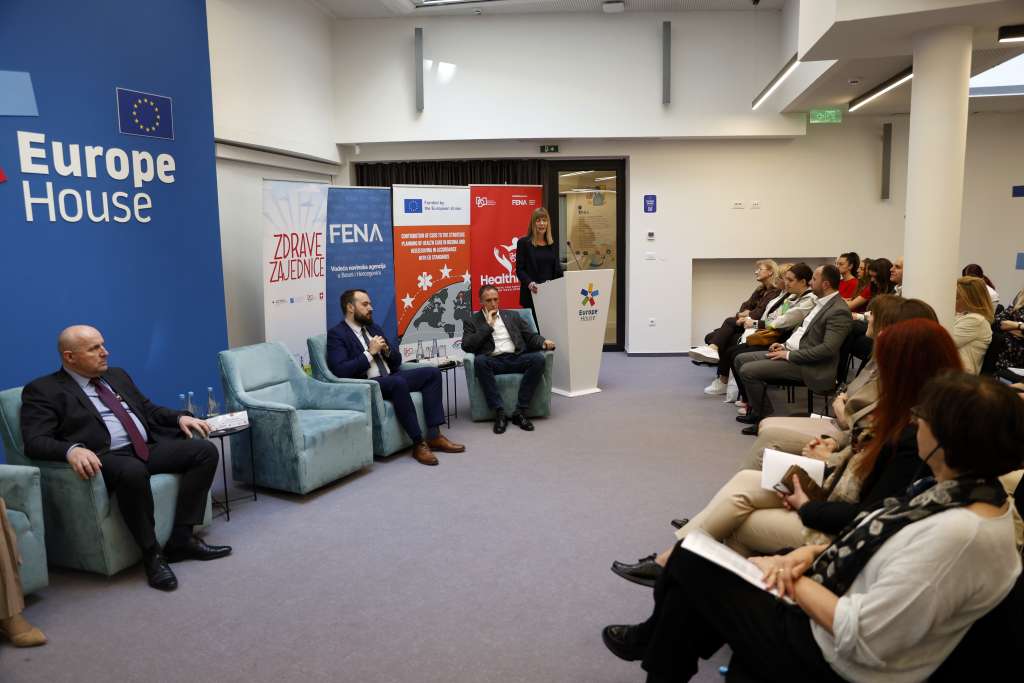
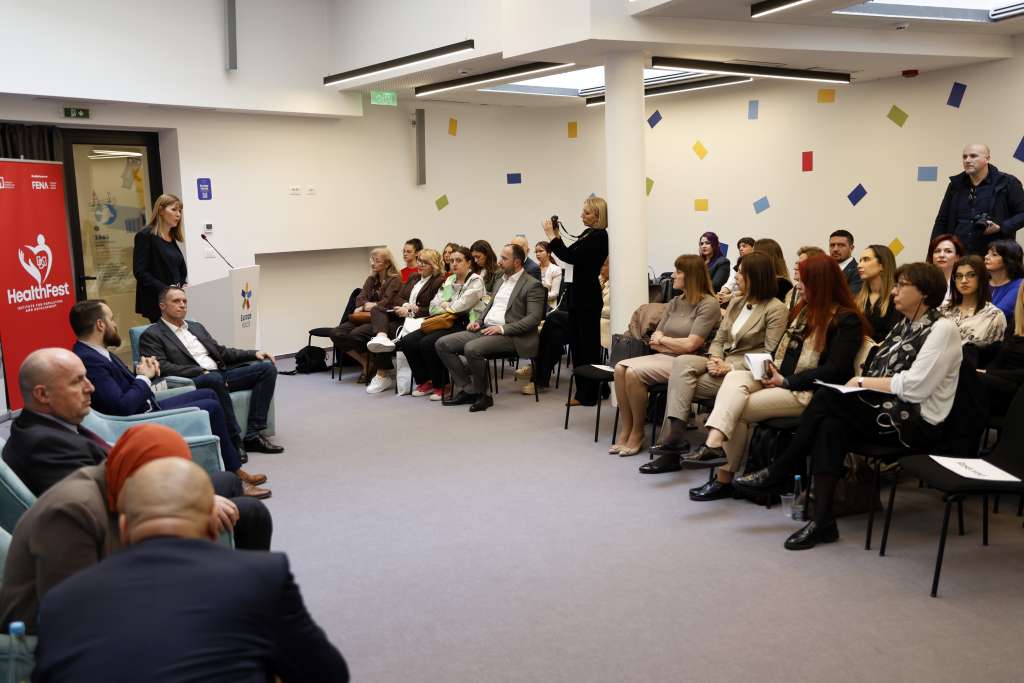
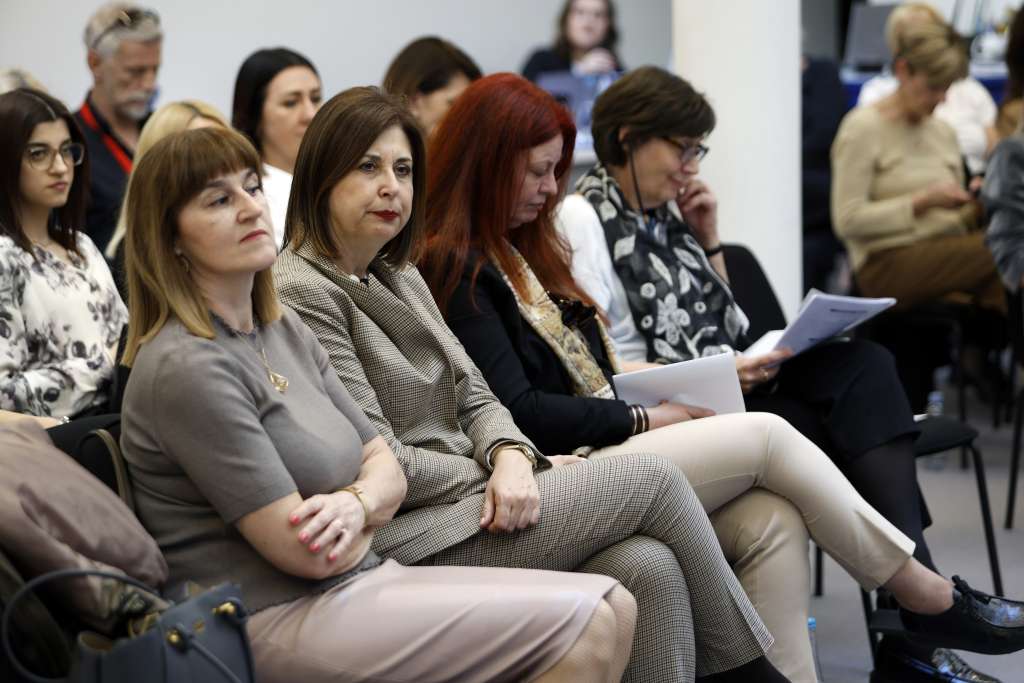
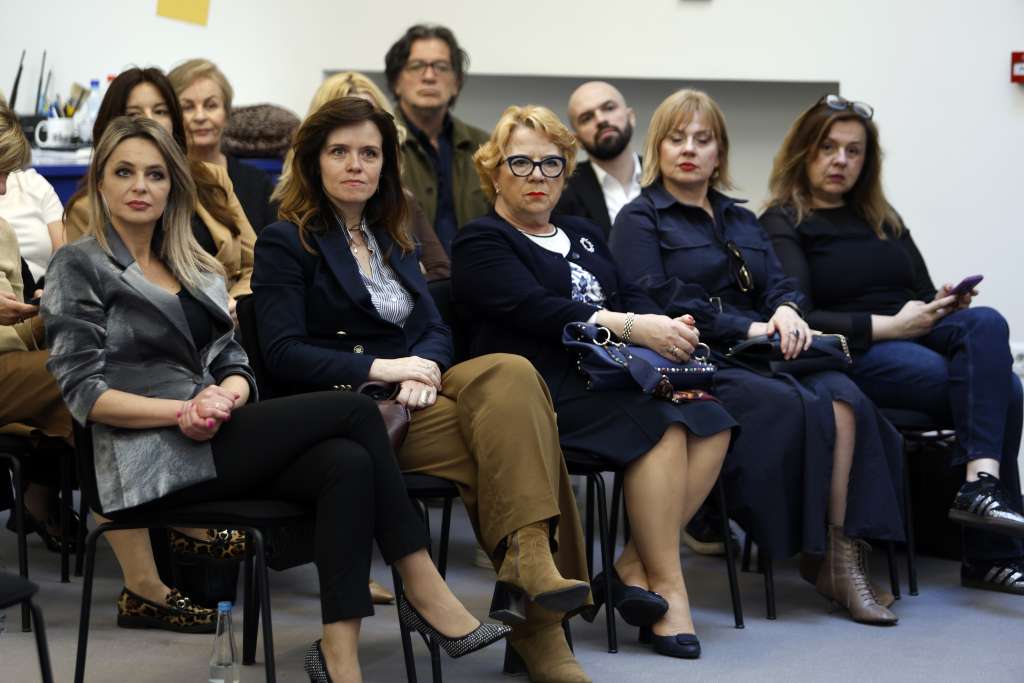
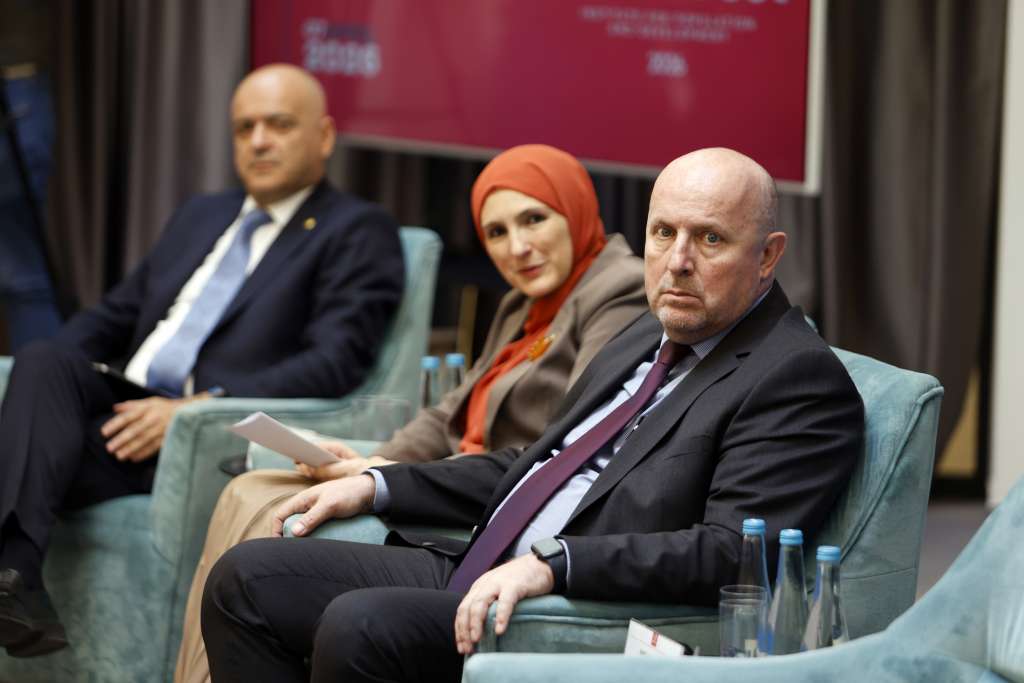
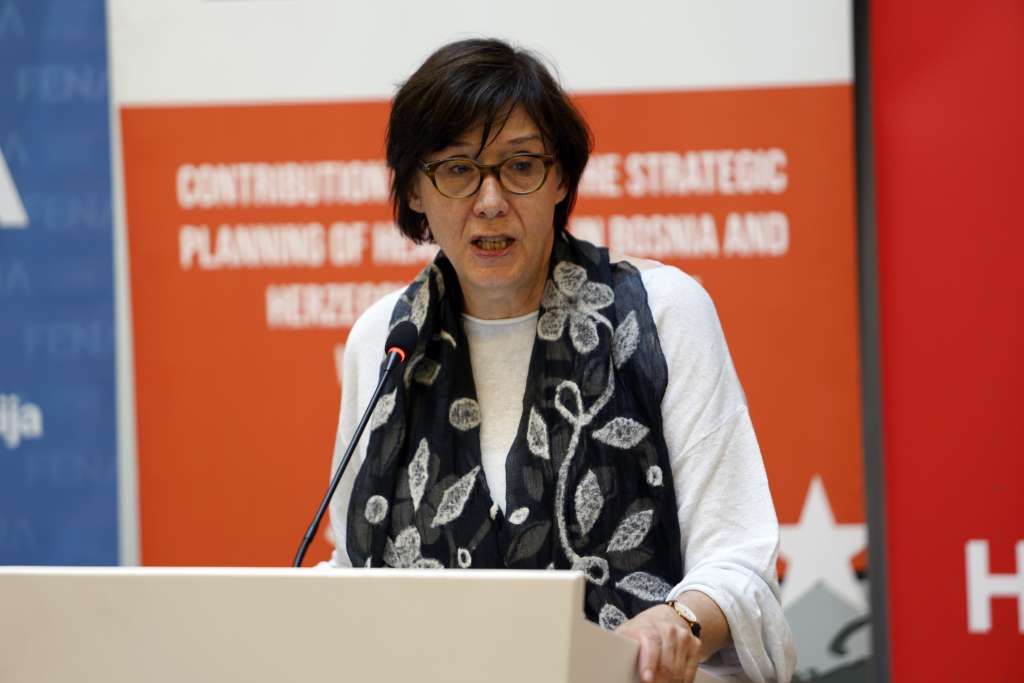
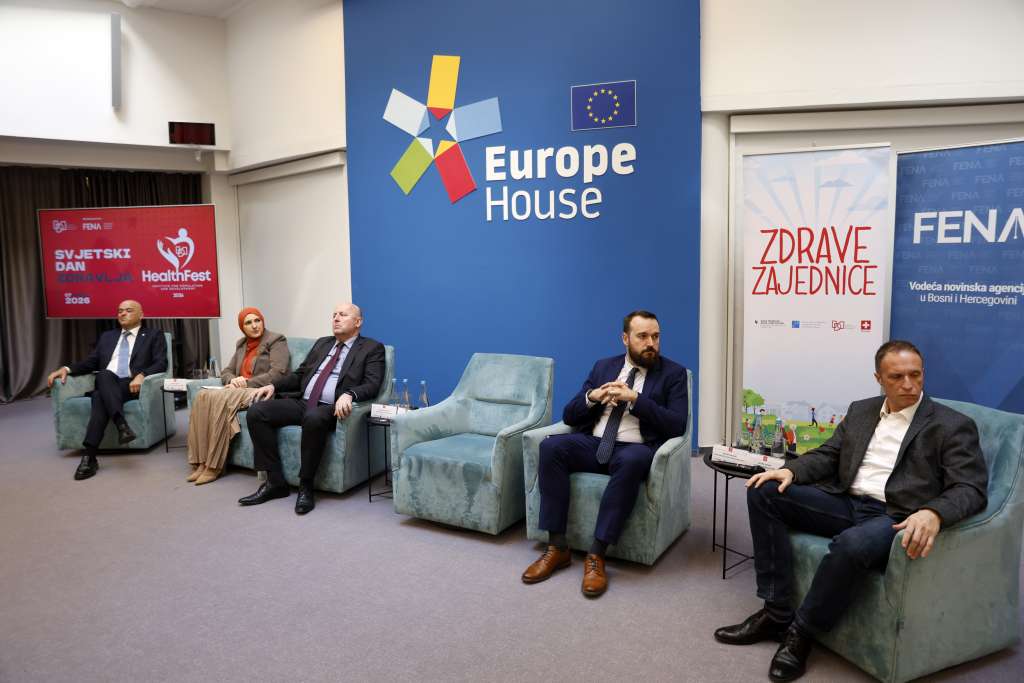
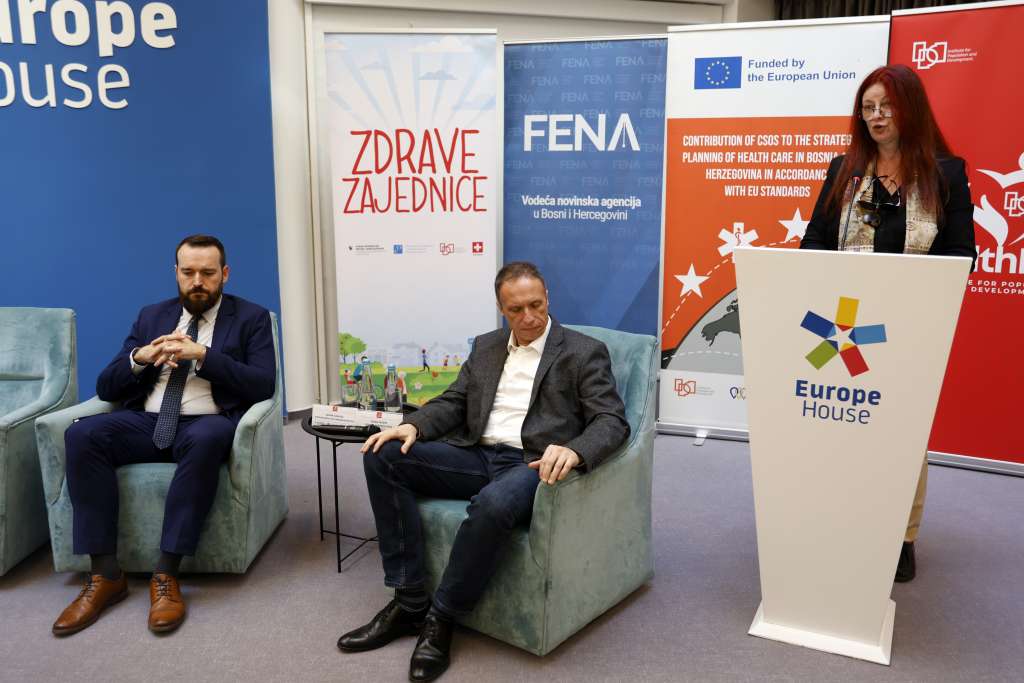
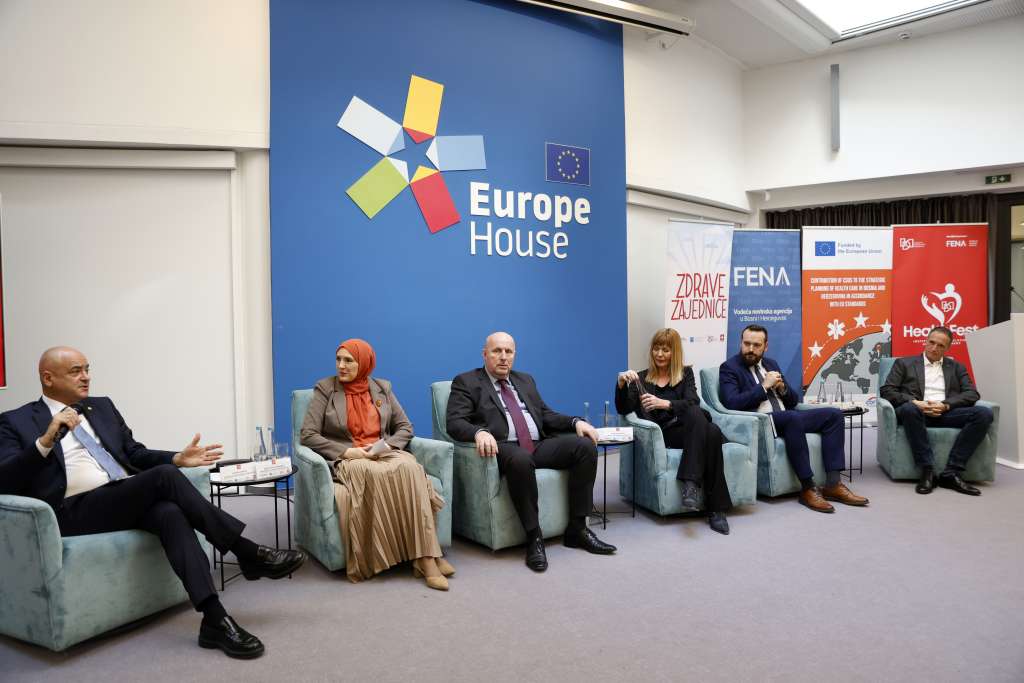
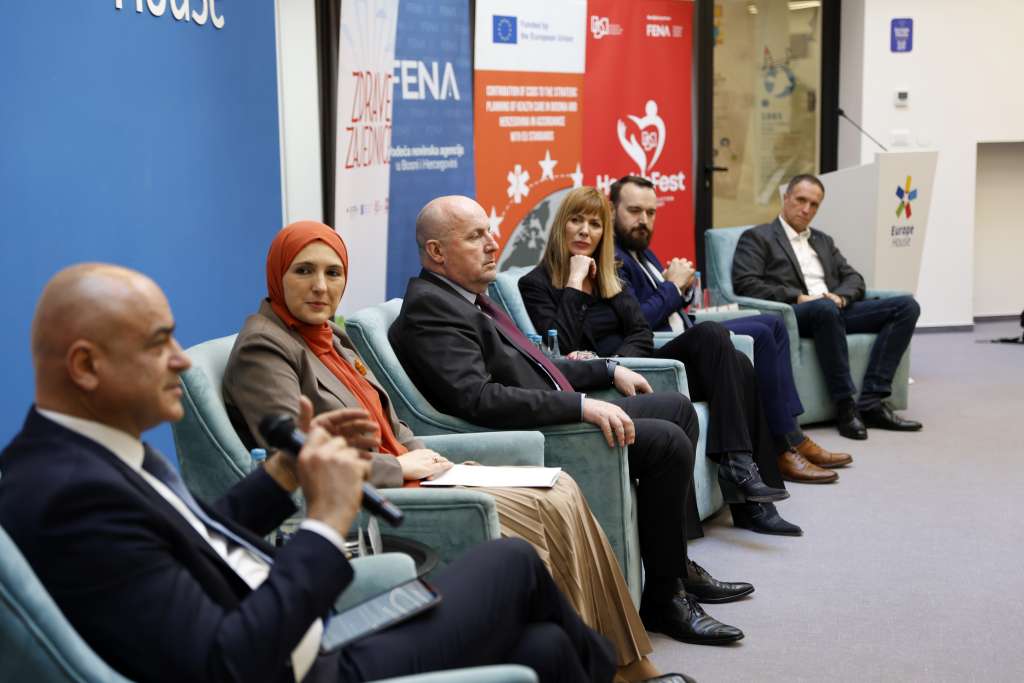
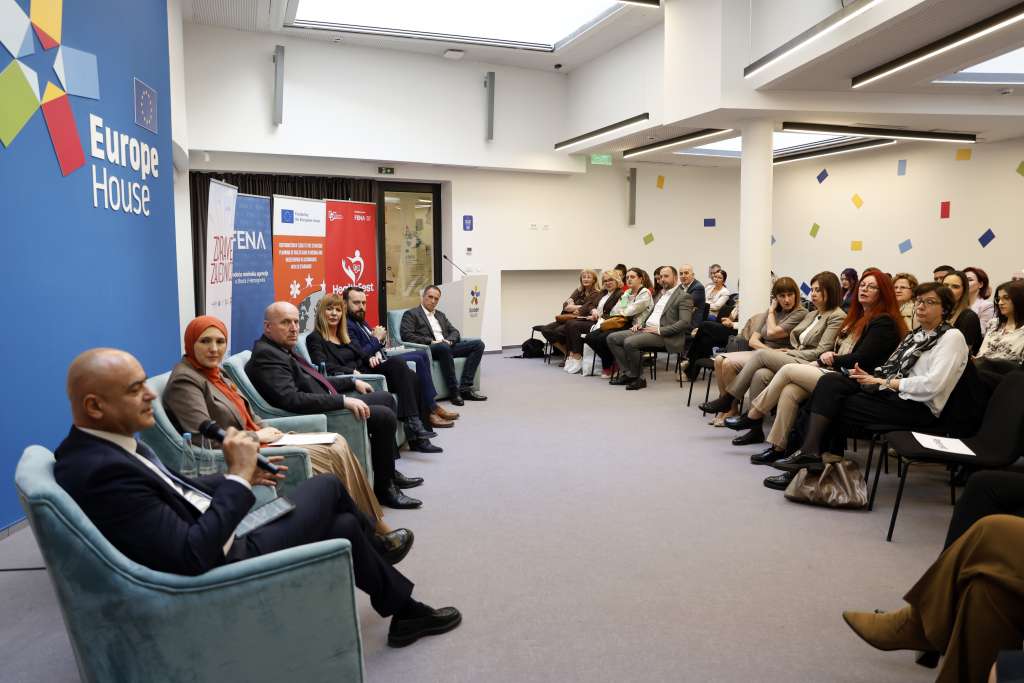
SARAJEVO, April 7 (FENA) – The Institute for Population and Development organized today in Sarajevo the central event of the Second Health Fest, a panel discussion titled 'Prevention as Investment: Health, Education and the Economy of the Future'. The event gathered representatives of government, the health and education sectors, international partners, local communities, non-governmental organizations, and the media to strengthen preventive and promotional programs and improve intersectoral cooperation.
The discussion focused on the need for stronger preventive programs, better intersectoral cooperation, and highlighted the key role of local communities in building a healthier society.
It was particularly emphasized that cooperation between the health and education sectors must be continuous, as investing in healthy lifestyle habits begins at an early age.
Director of the Institute for Population and Development, Emina Osmanagić, stressed that for the second year in a row, Health Fest has brought together key stakeholders across the country, this year in as many as 25 cities and municipalities, with central events in Sarajevo and Banja Luka. She pointed to the problem of a fragmented approach to prevention, where different sectors act separately.
''Prevention is not a simple issue – it is a complex process that is not only a matter of healthcare, but also of development, policy, and the economy. The key lies in coordinated cooperation among all sectors, because only in that way can we achieve real results,'' Osmanagić told the media.
She added that the Institute provides support to institutions, emphasizing the important role of the non-governmental sector in bringing these topics closer to citizens.
The Minister of Health of Sarajevo Canton, Enis Hasanović, also recalled that the panel is being held on World Health Day, with a clear message about the need to change the approach to the healthcare system.
He pointed out that most funds today are spent on treatment rather than prevention, which needs to change.
Deputy Head of Mission and Head of International Cooperation at the Embassy of Switzerland in BiH, Bruchez Brugger Georgette Yolande, highlighted Switzerland’s long-standing support for the development of the healthcare system in Bosnia and Herzegovina, especially through projects in local communities.
''Investing in health means investing in the future,'' she said, recalling support for projects that improve access to and the quality of healthcare services.
FBiH Assistant Minister for Public Health, Goran Čerkez, stated that health is the greatest human capital and not solely the responsibility of the healthcare sector, but of all sectors together, especially society as a whole.
''Social responsibility leads us to health. Everything we do at the local community level ultimately reflects on our health. That is why today may be the best moment to call on everyone to jointly build our health and demonstrate that capital to the fullest extent,'' Čerkez said.
MP in the FBiH Parliament and economic analyst, Admir Čavalić, spoke about the connection between health and the economy, emphasizing that investments in healthcare bring multiple benefits and that more efficient allocation of funds is crucial.
Minister of Education of Sarajevo Canton, Naida Hota-Muminović, emphasized that the education system gives equal attention to students' well-being as to their achievements. She noted that school is a space where children develop their personality, build relationships, and shape their character.
''School must be a space of freedom, development, and intensive care for the well-being of every child, because health is the foundation of their overall development,'' the Minister said.
It was concluded that prevention is not only a health issue, but also a social and economic priority, and that coordinated action across all sectors is key to long-term improvement of citizens' quality of life.
(FENA) A. B.