prijava













TUZLA, September 29 (FENA) – Infrastructure and logistical challenges facing the film industry in Bosnia and Herzegovina are systemic problems, and without a clear cultural policy and state strategy, film in BiH is reduced to isolated incidents rather than being part of an organized system.
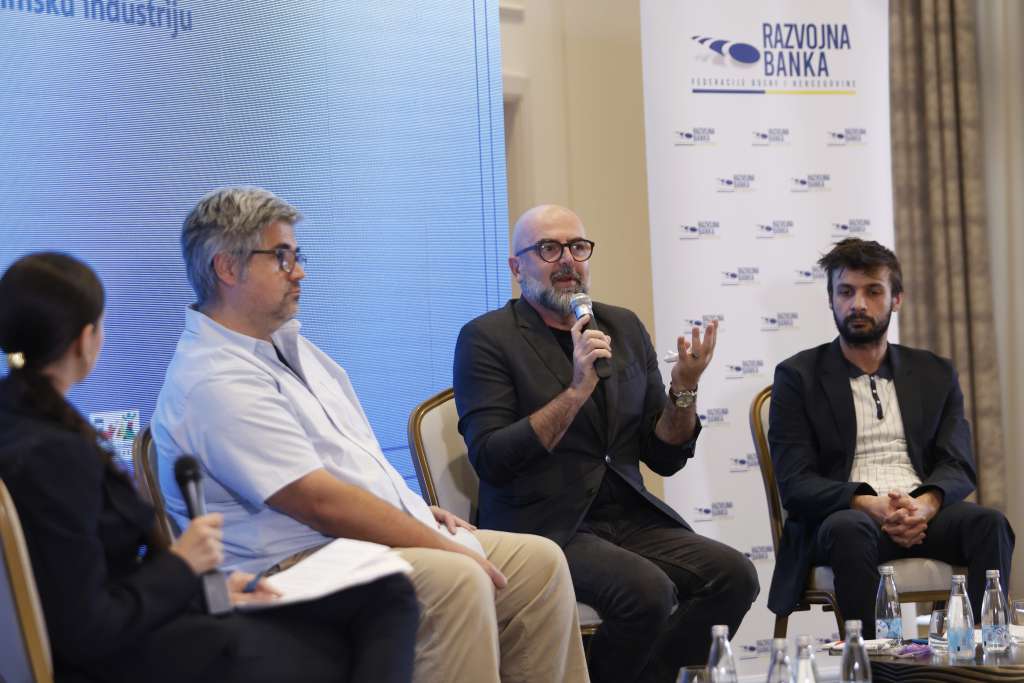
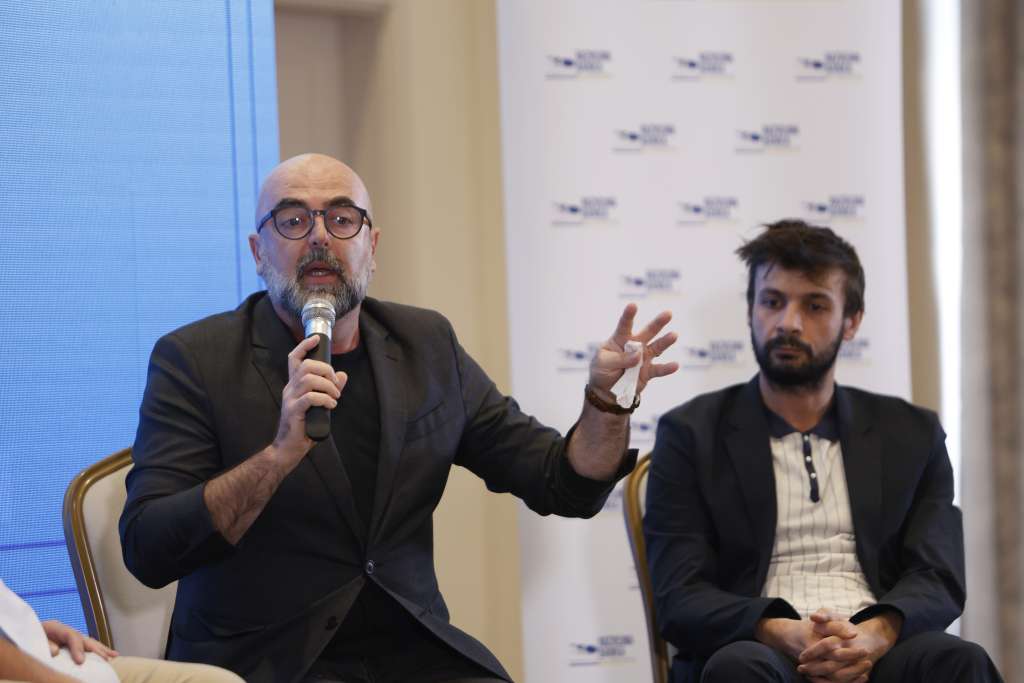
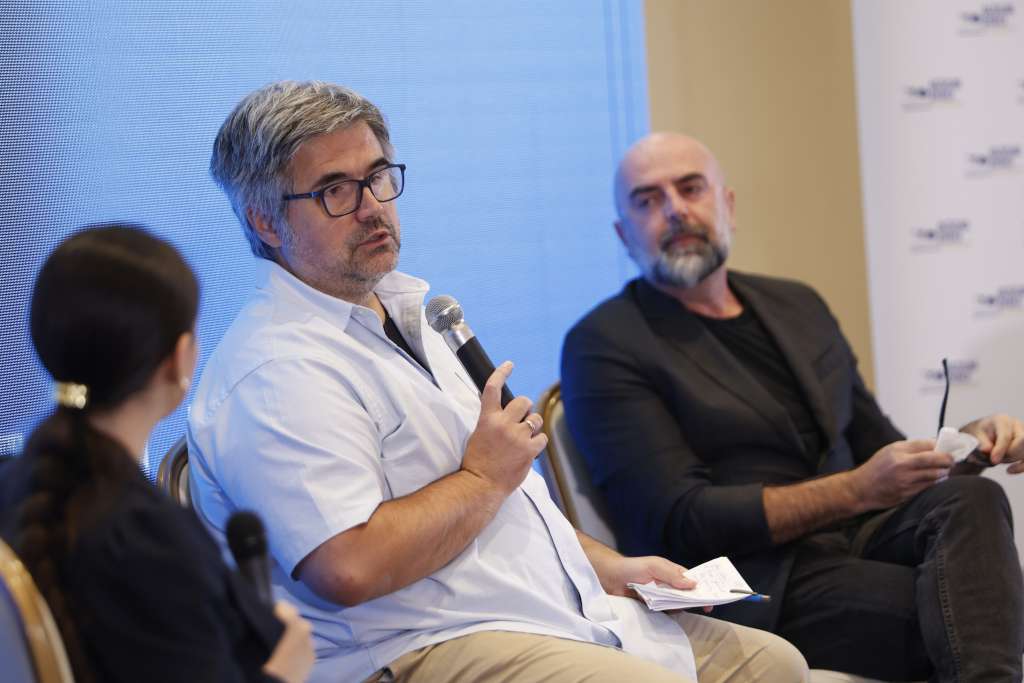
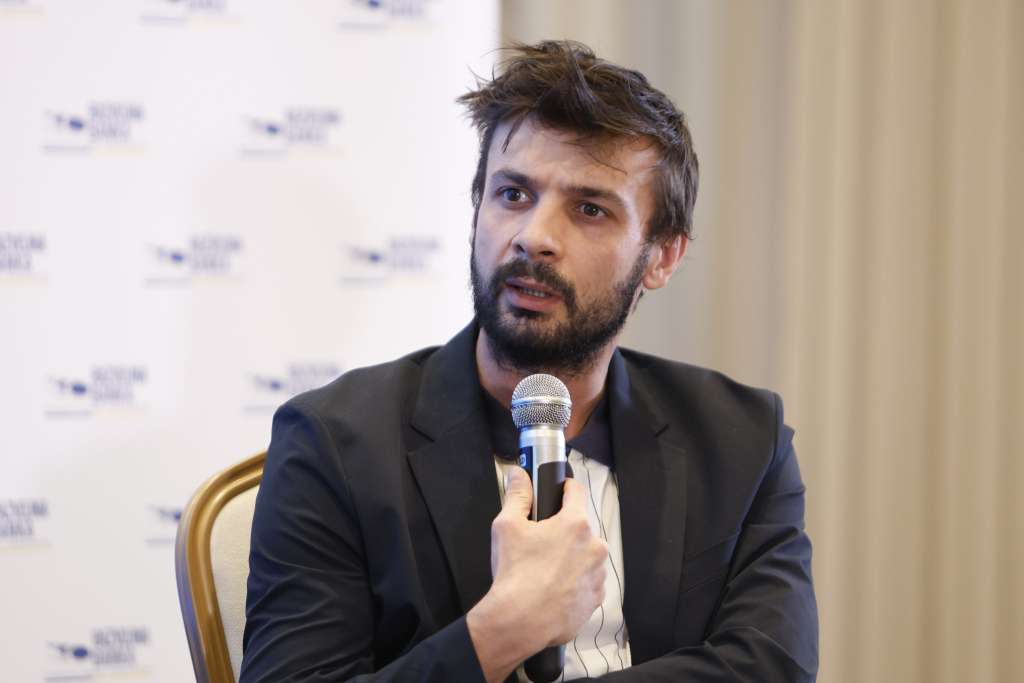
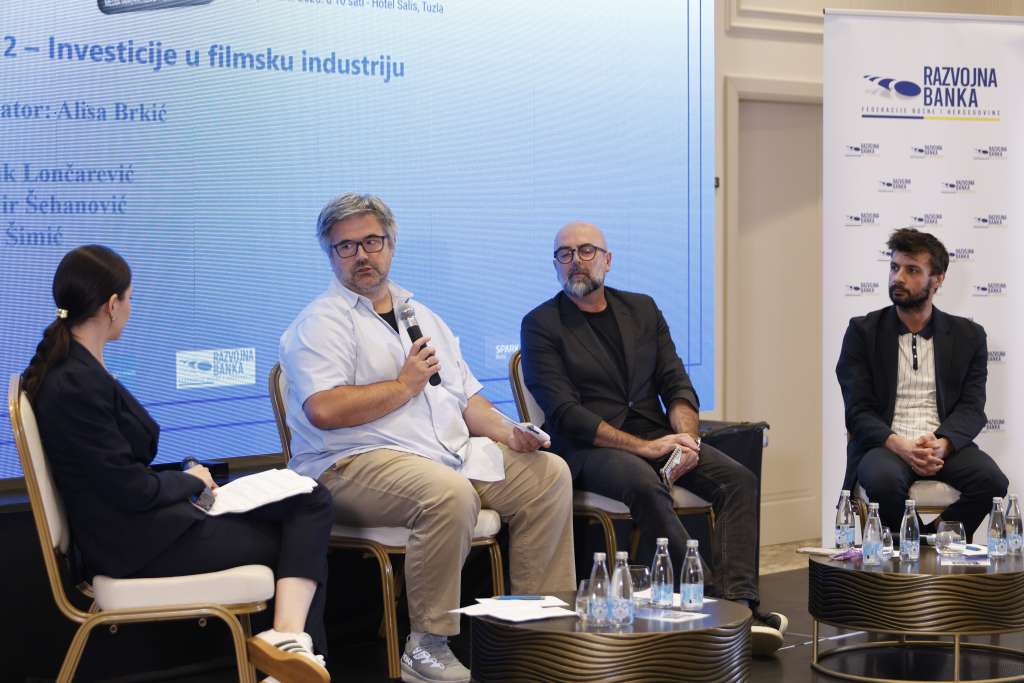
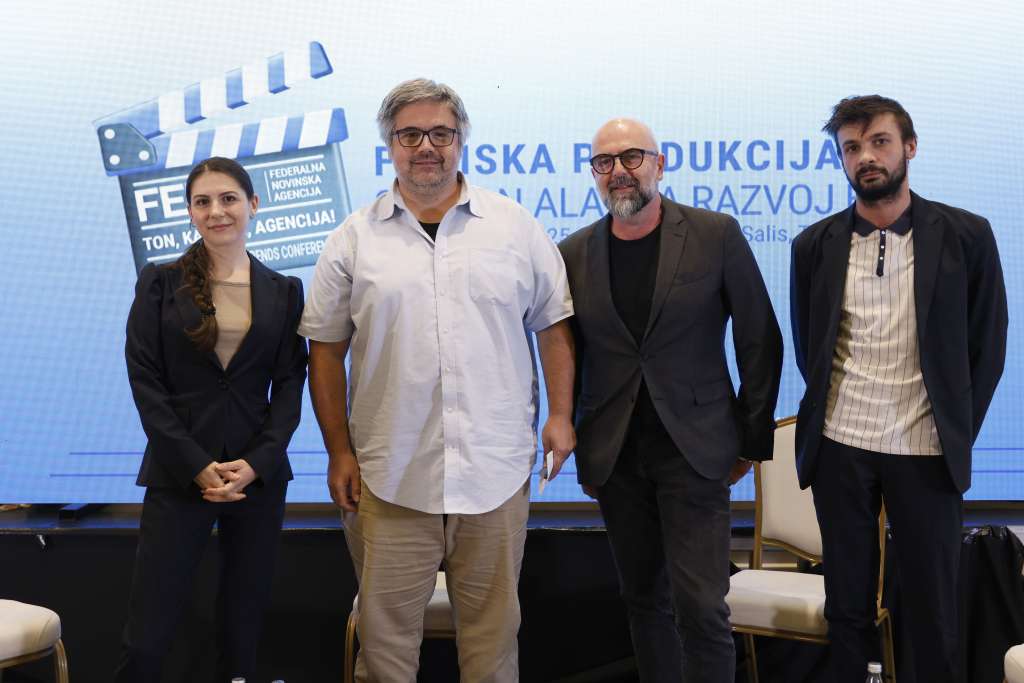
This was said at the panel 'Investments in the Film Industry', held within the third Media Innovation and Trends conference on the topic 'Film Production as a Strong Tool for the Development of Bosnia and Herzegovina', organized today in Tuzla by the Federal News Agency (FENA).
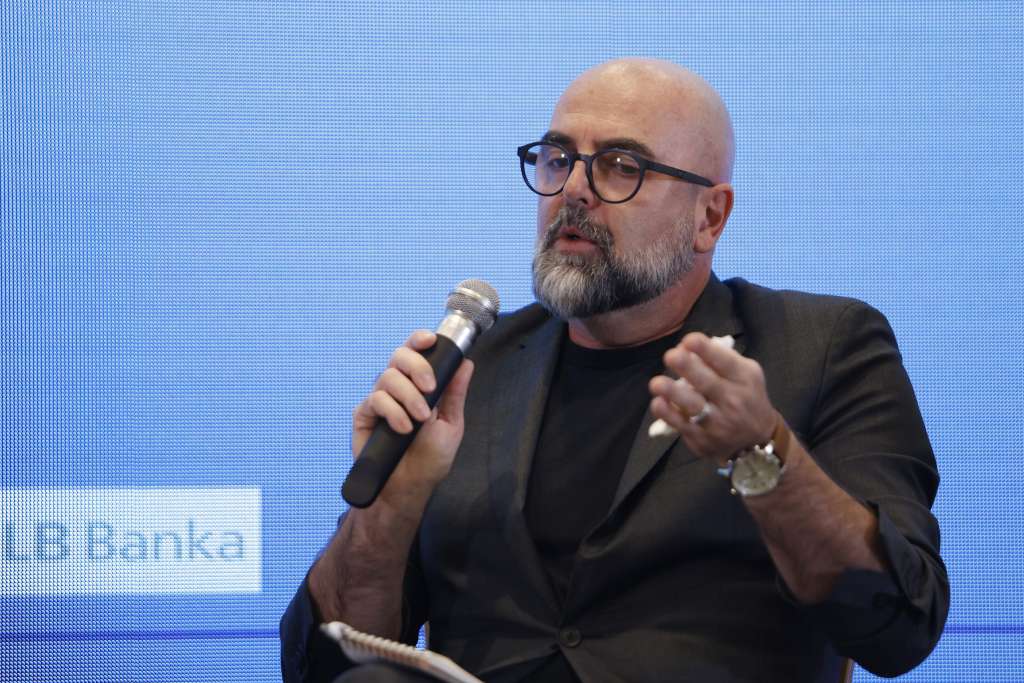
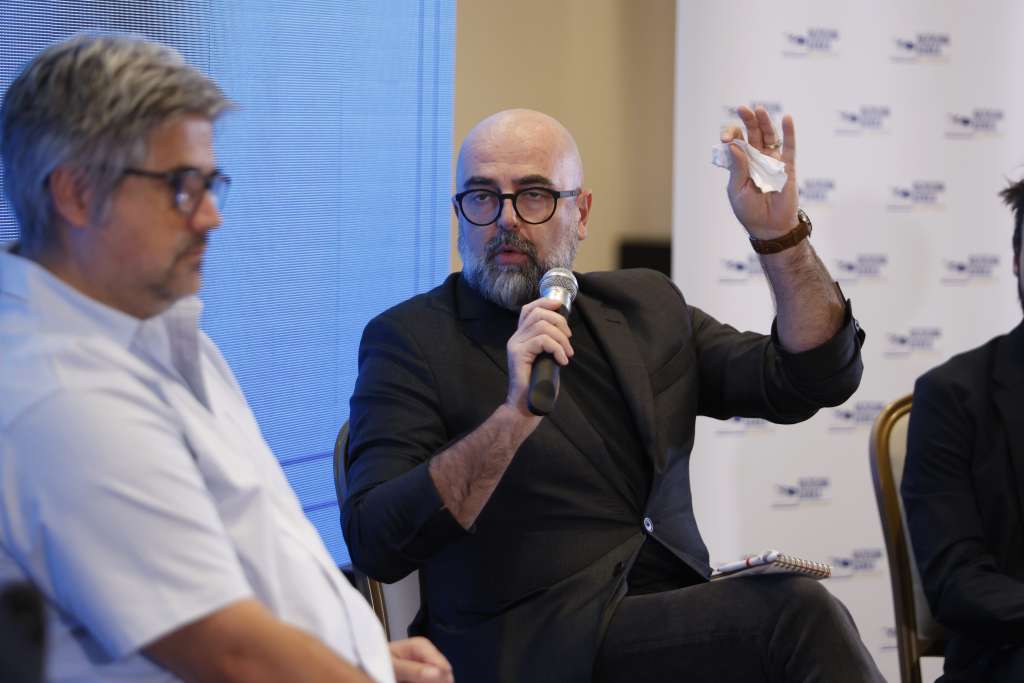
Director and screenwriter Faruk Lončarević pointed out that BiH is a country with two opposing narratives that will never be reconciled, and that, as a result, there is no national unity that would allow infrastructure to develop as in neighboring countries. Cultural policy, he added, must be clearly defined so that film professionals know in which direction to work.
He emphasized that the Foundation for Cinematography does not carry the name of the Federation of BiH precisely because of constitutional limitations, and that funds are often distributed without a clear strategy.
''Films are produced with budgets ranging from four million euros to forty thousand KM, which shows complete chaos in production. Without an established system, every film remains an isolated case,'' said Lončarević.
As key measures the state could take, he cited tax incentives, particularly VAT refunds, as well as strategic guidance in cultural policy. He stressed that the film industry brings direct economic benefits to the state, but that no analysis has ever been carried out of its financial contribution.
''My film cost one million dollars, of which 700,000 KM was spent in BiH. The state profited just from the taxes, but no one has ever analyzed that. Film is not a donation—it’s an investment,'' Lončarević underlined.
He added that film professionals in BiH have the skills and equipment but are waiting for the chance to work within a structured system.
Journalist Damir Šehanović emphasized that the development of the film industry in Bosnia and Herzegovina must be based on common values that connect all citizens, regardless of entity or regional belonging, and that the industry must be seen as a serious economic sector.
''Everything that has been done at the state level has proven successful. I believe the film industry should follow that example,'' said Šehanović, adding that through cultural diplomacy and identity-building, an image can be created that will bring prosperity not only to the film sector but to the entire country.
He revealed that a recent study conducted by an international organization in cooperation with colleagues from Croatia showed that there are more than a hundred shared points of interest among citizens from all parts of BiH.
''That should be our starting point. It may sound romantic, but I believe we can build a better future for the film industry on those foundations,'' he said.
He stressed the need to distinguish between film art and the film industry, and that businesspeople who know how to invest wisely and secure returns must be included in decision-making processes.
''Our market is too small to think locally. Film has to be a regional, even international, product. In former Yugoslavia, we had a market of 22 million people, and today, with only 2–3 million, we cannot achieve commercial success,'' he said.
Director Alen Šimić warned about the lack of institutional cooperation between art academies in Bosnia and Herzegovina and those in the region, noting that student initiatives are mostly reduced to individual efforts without system support.
''It’s always said that theaters should support students, but in practice, that doesn’t happen. I’m speaking specifically about the Academy of Performing Arts in Sarajevo, where theaters, even though they are founders, do not provide support to students,'' Šimić said.
He added that it is rare for students from other cities to attend events like MESS, and that networking among academies and students is getting weaker.
''Everything positive that has happened in culture has been thanks to individuals, not the system. That’s the key sentence to remember,'' Šimić emphasized.
According to him, it is precisely the influence of individuals who are creative, persistent, or 'crazy' enough that drives change, while institutional support is missing.
(FENA) A. B.